Centuries before artificial intelligence, ingenious craftsmen were building mechanical creatures that moved, performed, and astonished audiences. Some were even covered in gold and precious jewels.
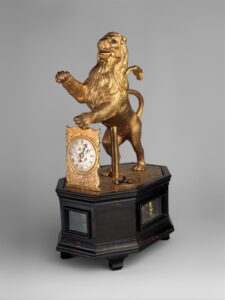
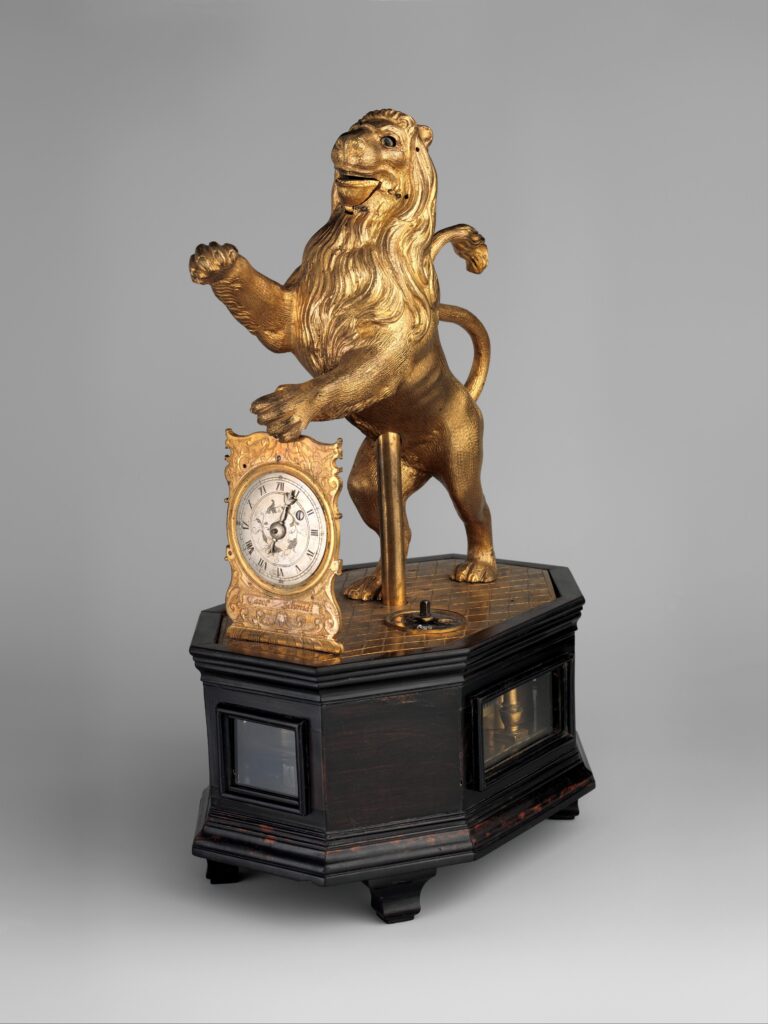
Imagine standing in a European palace 400 years ago. On a table sits a magnificent golden lion, its body gleaming in the candlelight. As the clock strikes, the creature opens its mouth and moves its eyes. Nearby, a gilded eagle raises its scepter.
There’s no electricity, no computer, and certainly no artificial intelligence.
These extraordinary objects are called automata—mechanical devices designed to perform movements automatically. Although today’s robots rely on sophisticated electronics and software, the fascination with creating machines that imitate life is much older than the digital age.
Long before robots rolled through warehouses or humanoid machines navigated city streets, craftsmen constructed mechanical creatures from brass, iron, springs, and gears. Some were covered in gold. Others were adorned with diamonds and gemstones. These weren’t mass-produced gadgets. They were displays of wealth, engineering, and human imagination. And several have survived.
PART 01 / THE AGE OF CLOCKWORK
The Golden Lion That Came to Life
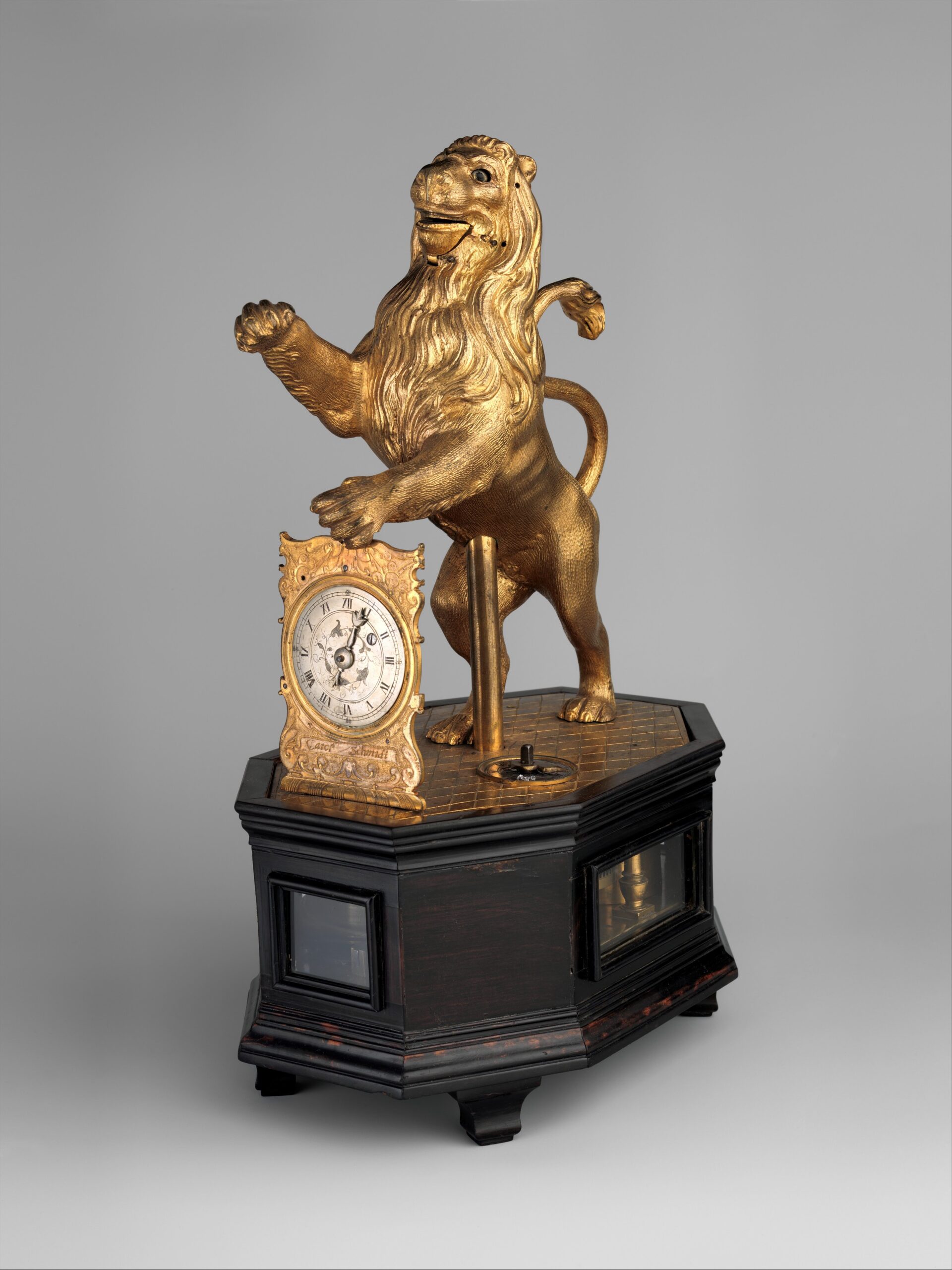
In the early 17th century, the German city of Augsburg was an important center of European clockmaking. Its workshops produced extraordinary mechanical devices for wealthy patrons.
Among them was a gilded lion made by clockmaker Karl Schmidt around 1620–1635. Standing just over 13 inches tall, it combined precious materials with an intricate clock mechanism. When the hour struck, the lion’s eyes and mouth moved, lending a metal sculpture the appearance of a living creature.
The lion wasn’t designed to perform a practical task beyond marking the time. Its purpose was also to impress. Possessing such an object demonstrated wealth, sophistication, and access to rare craftsmanship. Today, the lion survives in New York’s Metropolitan Museum of Art—a 400-year-old reminder that humanity’s desire to animate machines predates modern robotics by centuries.
The Eagle That Served an Emperor
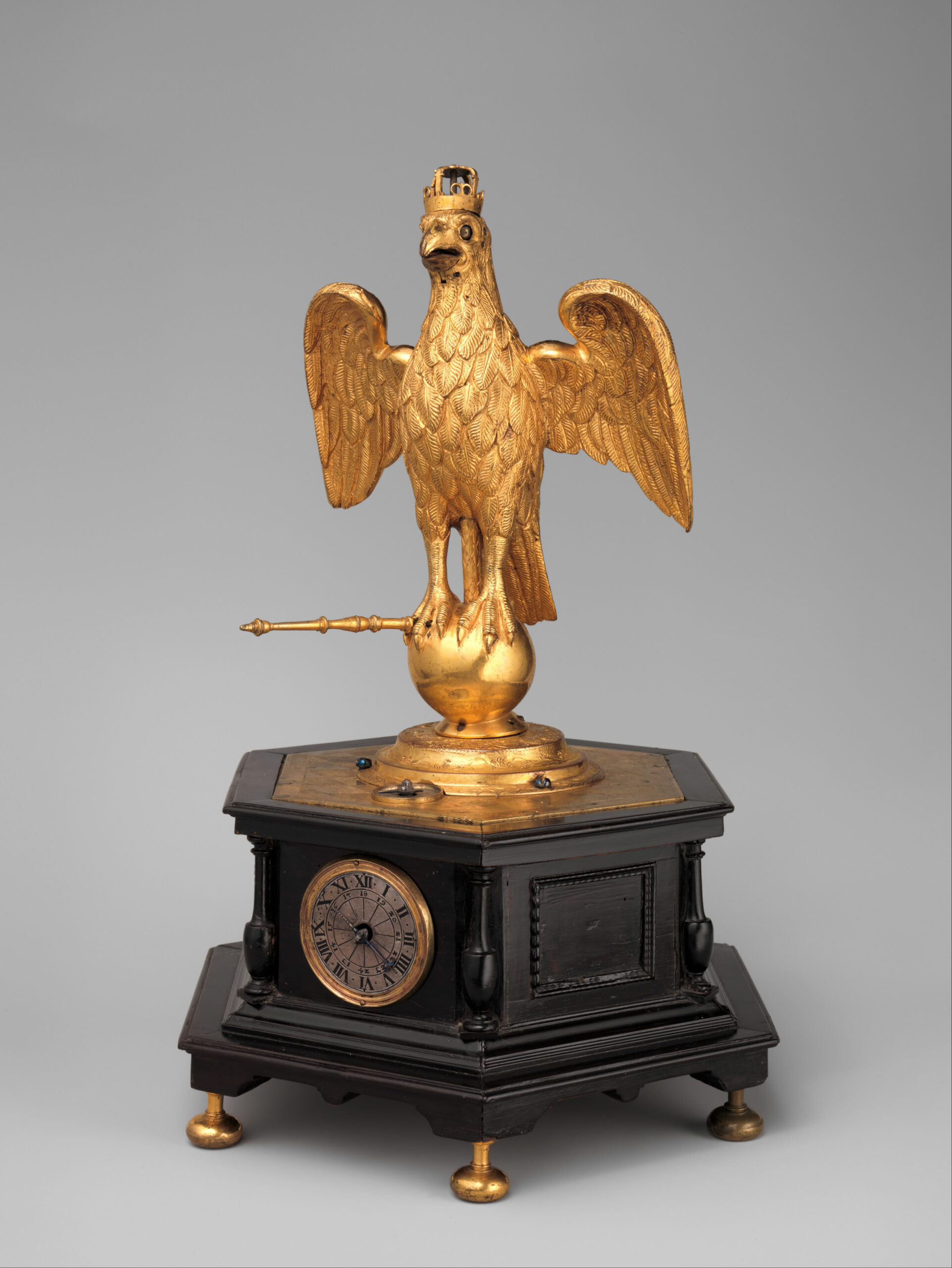
Another mechanical marvel from Augsburg took the form of a majestic eagle. Made around 1630, the gilded automaton represented imperial authority. With its crown and scepter, the eagle evoked the power of the Holy Roman Empire.
But this was no ordinary sculpture. When the clock struck, its scepter moved up and down. Its beak originally opened and shut, and its eyes may also have moved. Inside was the carefully arranged mechanism of a sophisticated timepiece.
Such devices blurred the boundary between scientific achievement and theatrical performance. To an audience unfamiliar with gears and springs, an animated metal creature could appear almost magical. It also announced the status of whoever could afford to own one.
When Religion Met Machinery
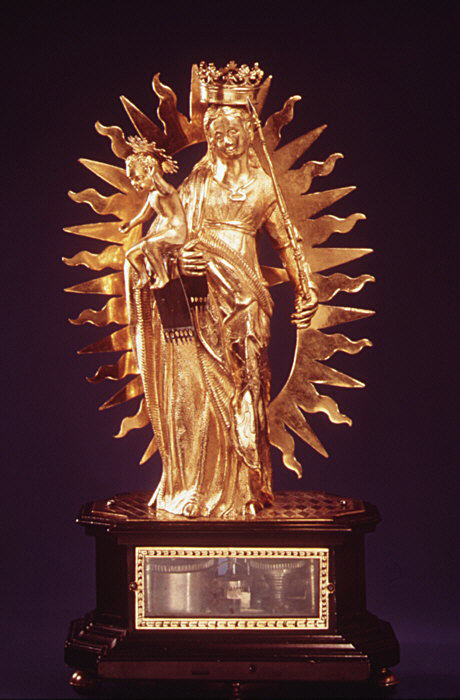
Mechanical figures weren’t limited to animals and emblems of political power. Religious subjects also became part of the clockmaker’s repertoire.
Around 1620–1625, Augsburg clockmaker Nikolaus Schmidt the Elder created a clock depicting the Madonna and Child. Its mechanism was incorporated into the religious sculpture: the Madonna’s crown served as the clock dial, while her scepter indicated the hour.
The piece recalls a tradition familiar from medieval clock towers, where mechanical figures often featured in public displays. On a much smaller scale, clocks like this one brought intricate engineering into objects intended for private display and contemplation. The surviving museum description does not establish precisely which parts of this example were animated.
PART 02 / MECHANICAL LUXURY GOES GLOBAL
The Jeweled Chariot That Traveled Toward China
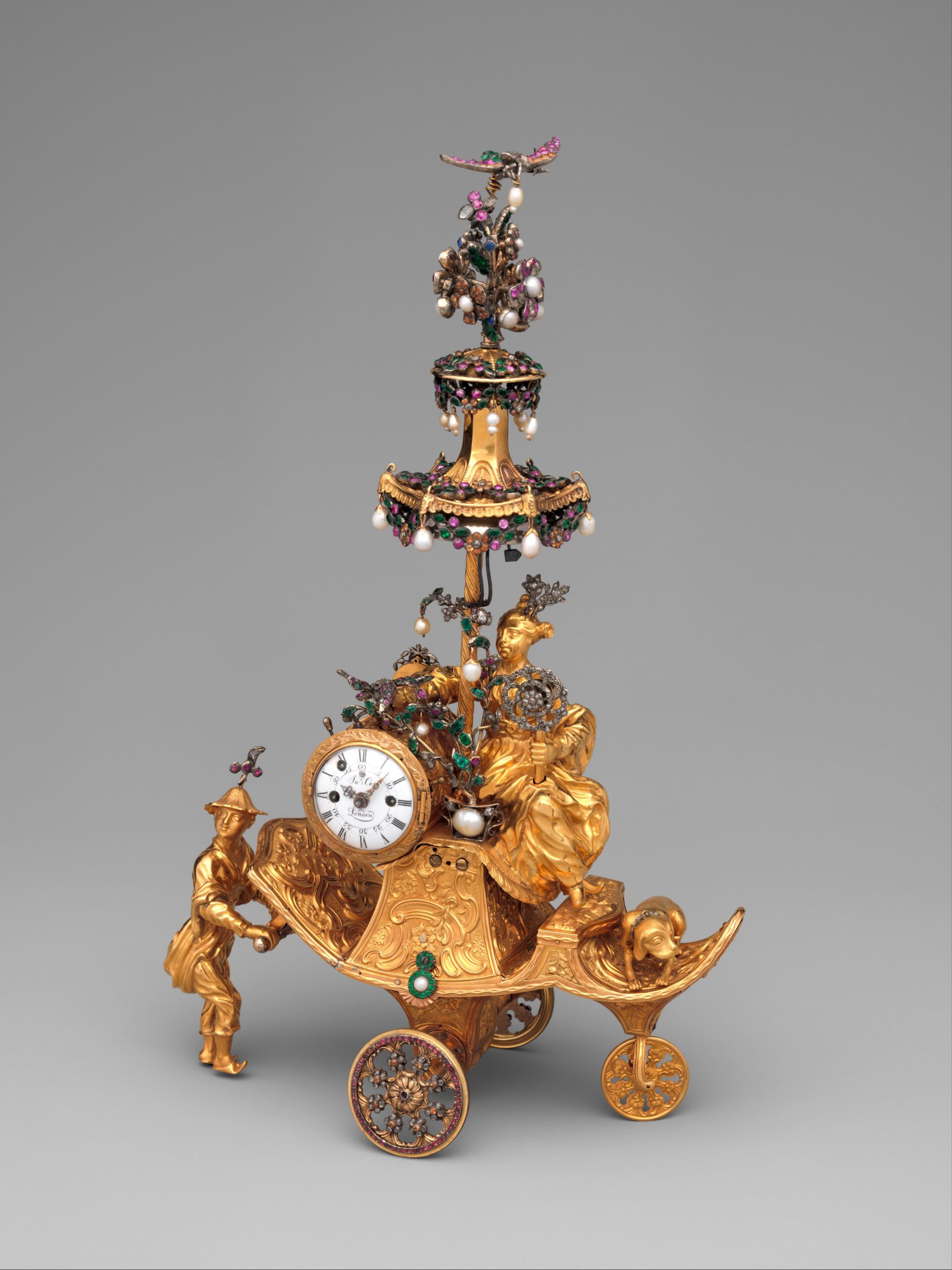
By the 18th century, mechanical spectacle had become an international luxury business. In 1766, the London entrepreneur James Cox produced an elaborate miniature chariot decorated with precious and imitation jewels.
The machine included a clock and mechanical birds; carefully concealed movements could create a miniature performance. Its elaborate construction was designed to astonish observers as much as to measure time.
Cox supplied luxury mechanical goods for international markets, including China. Chariot automata were among the extraordinary objects associated with British attempts to win favor at the Qing imperial court. Such devices stood at the intersection of engineering, commerce, diplomacy, and spectacle.
“These machines were technological marvels, but they were also instruments of business.”
A Mechanical Universe in Your Pocket
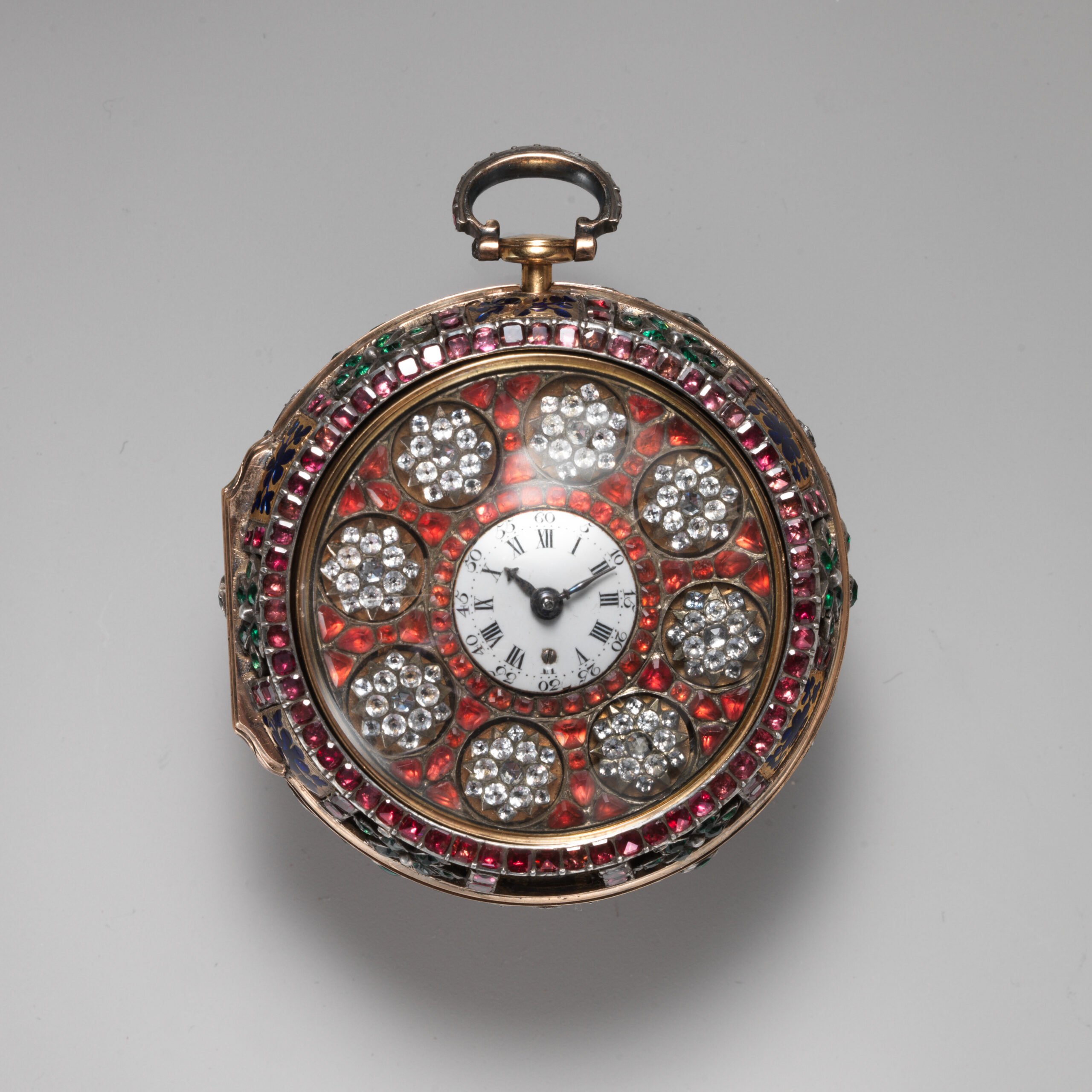
As clockmaking techniques advanced, increasingly elaborate mechanisms could be fitted into surprisingly small objects. Around 1770, James Cox and Peter Mounier created an extravagant pocket watch adorned with decorative stones and intricate metalwork.
When activated, eight jeweled rosettes spun within a rotating frame. The watch transformed timekeeping into a miniature mechanical performance—a remarkably intricate piece of wearable technology.
Today a luxury smartwatch may impress with sensors and software. In the 18th century, a pocket watch filled with rotating jewels offered a different vision of technical sophistication.
The Tiny Frog That Could Jump and Croak
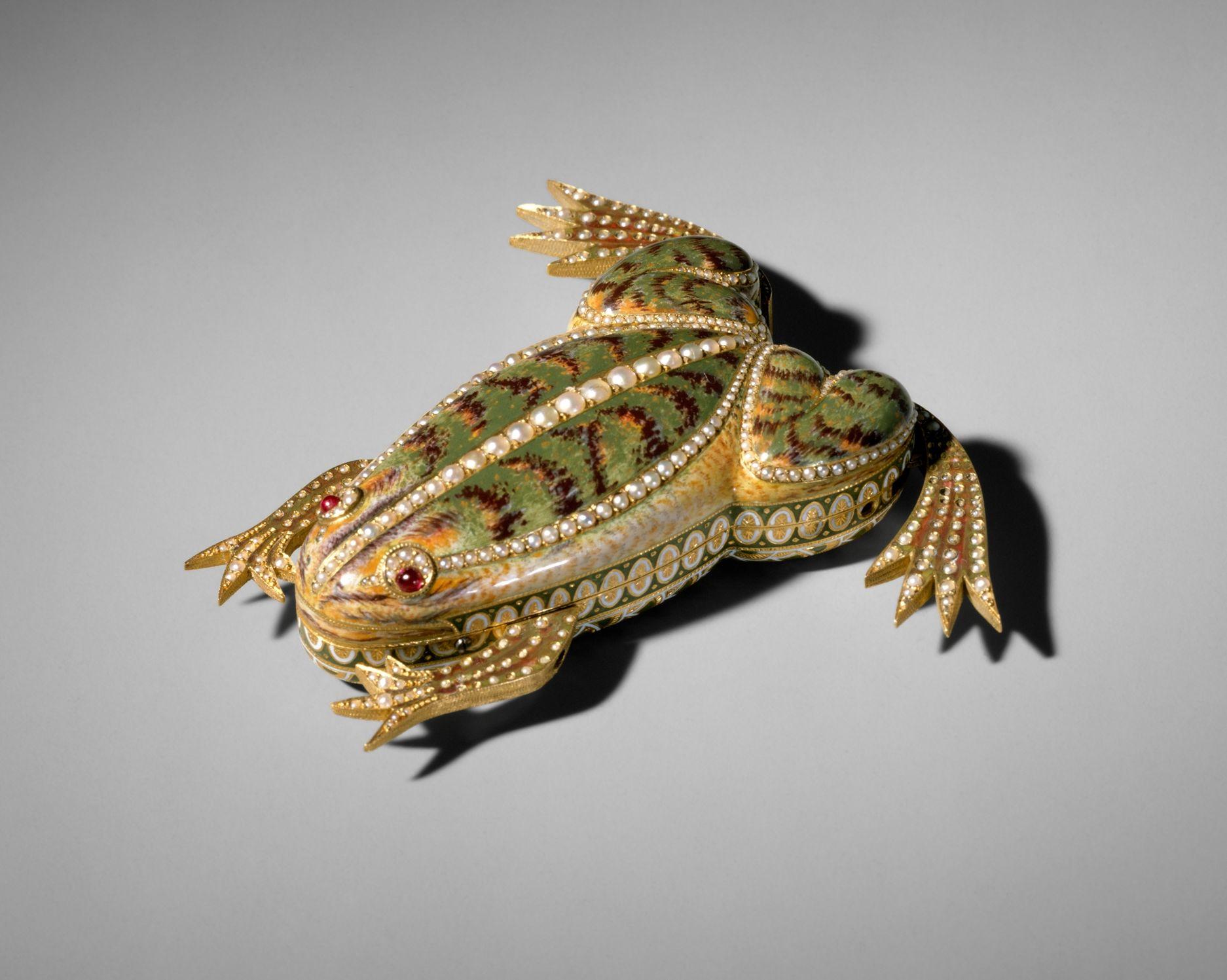
Perhaps the most charming example of this mechanical tradition appeared in Switzerland around 1820. Measuring just over two inches long, a tiny frog automaton was fashioned from gold and green enamel, with gemstones adding to its appearance.
Hidden inside was a mechanism that moved its legs, allowing the frog to jump and produce a croaking sound. It was a small artificial creature intended to evoke a living animal, not to accomplish any practical task.
Yet creating it required impressive precision in miniature engineering. Whether it’s a mechanical frog from 1820 or a robotic dog today, there is something irresistible about watching a manufactured object behave as though it were alive.
PART 03 / FROM CLOCKWORK TO ROBOTICS
The Mechanical Ancestors of Modern Robots
These golden lions, imperial eagles, jeweled chariots, and miniature frogs were not robots in the modern, programmable sense. They could not learn, reason, or adapt independently to changing surroundings. Their performances were determined by the arrangement of springs, gears, and other mechanical parts.
Still, they demonstrated an enduring idea: human beings can construct machines that imitate some of the actions of living creatures.
In earlier centuries, elaborate automata were often reserved for royalty, aristocrats, and wealthy collectors. Today robots appear in factories, hospitals, laboratories, and homes. Gold and gemstones have largely given way to processors, sensors, and electric motors, and modern robotics has moved far beyond predetermined clockwork motions.
Yet the wish to make machines seem alive persists. Four centuries after Karl Schmidt created his mechanical lion, engineers are still working to build machines that move and respond like living creatures.
Perhaps the strangest thing about the history of robots isn’t how rapidly technology has advanced. It’s how long we’ve been dreaming of bringing machines to life.
Sources and image credits
All six featured objects are in the collection of The Metropolitan Museum of Art, New York. The linked collection records document their histories and identify their open-access images as Public Domain.
- Automaton Clock in the Form of a Lion (circa 1620–1635). The Metropolitan Museum of Art.
- Automaton Clock in the Form of an Eagle (circa 1630). The Metropolitan Museum of Art.
- Automaton Clock in the Form of the Madonna and Child (circa 1620–1625). The Metropolitan Museum of Art.
- Automaton Chariot with Chinese Attendant (1766). The Metropolitan Museum of Art.
- Pair-Case Automaton Watch (circa 1770). The Metropolitan Museum of Art.
- Frog Automaton (circa 1820). The Metropolitan Museum of Art.