
A new federal academy could welcome its first students in 2028, preparing them for careers in science, exploration, engineering and public service. But before anyone enrolls, the country must decide what the school should be—and who it should serve.
Imagine entering college in 2028 with an unusual career goal: helping lead America’s future in space. Your coursework might combine engineering, physics and computer science with leadership, national service and the practical challenges of running missions far beyond Earth.
That is the promise behind the proposed United States Space Academy. It is not yet a functioning school. There is no selected inaugural class, no announced permanent campus and no final curriculum. But a federal planning effort launched in August 2026 has already prompted states across the country to compete for a role in building it.
For prospective students and their families, the central question is not simply where the academy will stand. It is what kind of education it could offer—and what commitments graduates might be asked to make in return.
A school for a different kind of space age
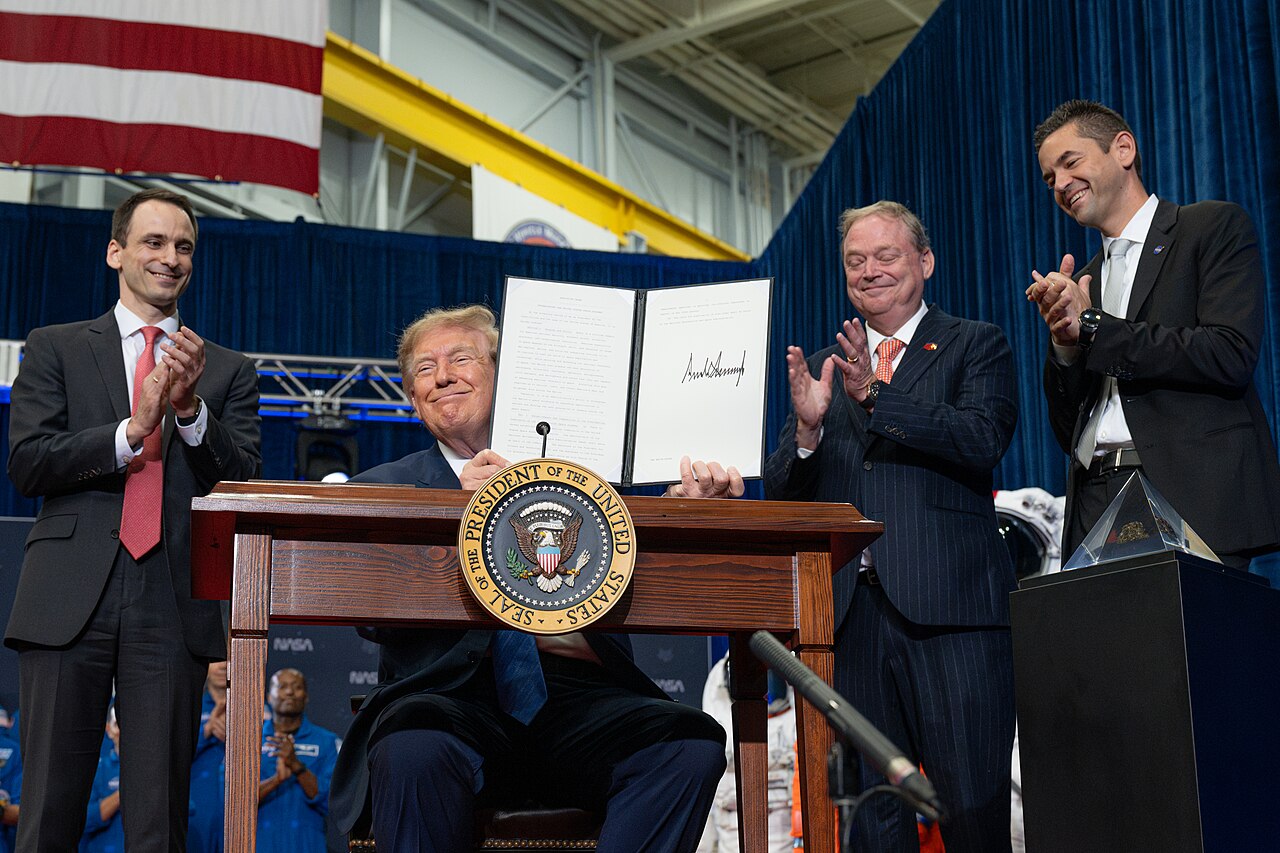
On August 28, 2026, President Donald Trump signed Executive Order 14423, establishing a Presidential Commission on the United States Space Academy. The commission, chaired by NASA Administrator Jared Isaacman, was tasked with recommending how a new NASA-led federal academy could be established.
The proposed institution would combine advanced technical education with leadership development and a commitment to public service. Its ambitions span astronautics, engineering, science, mission operations, government and national security.
It is important to distinguish this project from the U.S. Space Force. The Space Force, established in December 2019, is a branch of the military; the proposed Space Academy is envisioned as a civilian federal academic institution led by NASA. Whether it would offer military commissioning pathways—and how those would work—remains an open question.
The idea reflects how much daily life already depends on people who work in space-related fields. Satellite systems underpin navigation, communications, weather monitoring and emergency response. Meanwhile, private launch companies, university laboratories, national-security organizations and federal agencies increasingly depend on specialized talent.
Those jobs already have training pipelines. The unresolved policy question is whether a dedicated federal academy can provide something existing universities, scholarships and service academies do not.
America has built academies for national missions before
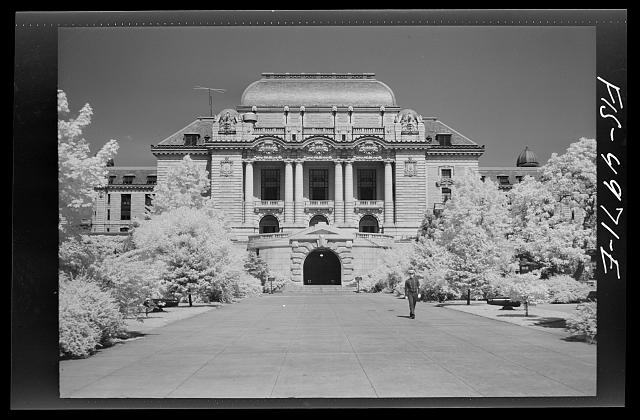
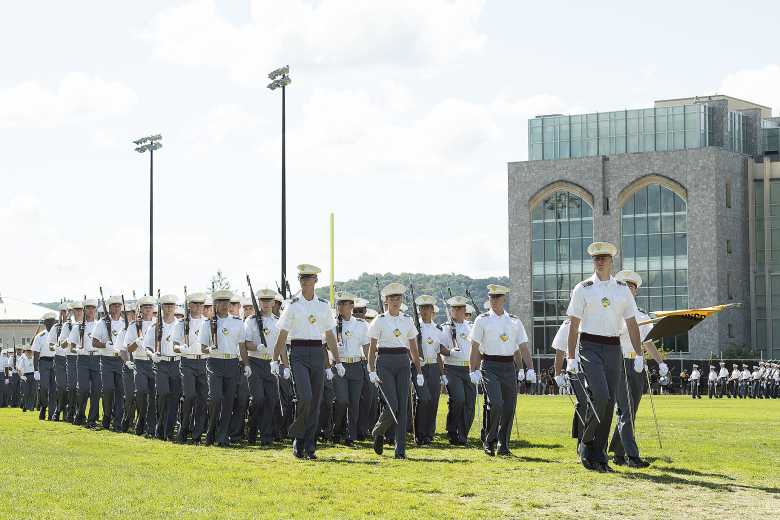
The proposed school’s organizers are looking toward a long American tradition. West Point, Annapolis and the other federal service academies were created to meet specific national needs while educating students in leadership, technical subjects and public responsibility.
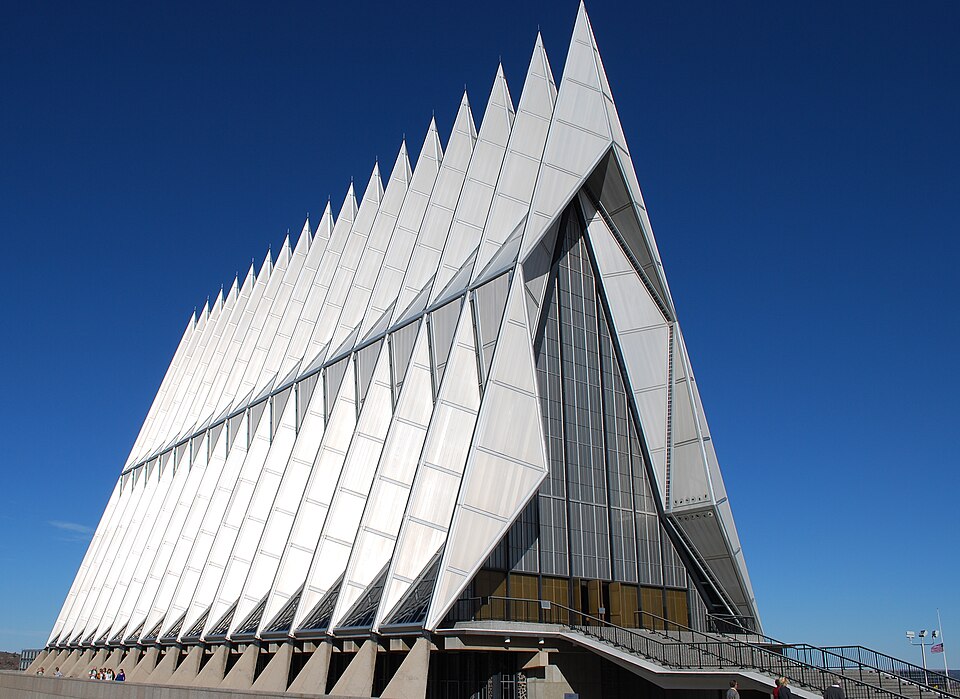
The closest historical comparison may be the U.S. Air Force Academy. The Air Force became a separate military service in 1947, and Congress authorized its academy in 1954. Its establishment required decisions about land, architecture, faculty, academic expectations and the institution’s relationship to the military.
Yet the analogy has limits. The Air Force Academy trains future commissioned officers. The proposed Space Academy is being considered as a broader institution for civilian and military space careers. Its admissions standards, credentials and post-graduation commitments are still to be determined.
Those details will matter to a future applicant. Would tuition be federally funded? Would graduates owe a fixed term of civilian or military service? Could they pursue careers in private aerospace firms? The executive order asks the commission to examine these issues; it does not provide final answers.
Twenty-five states and one potential home
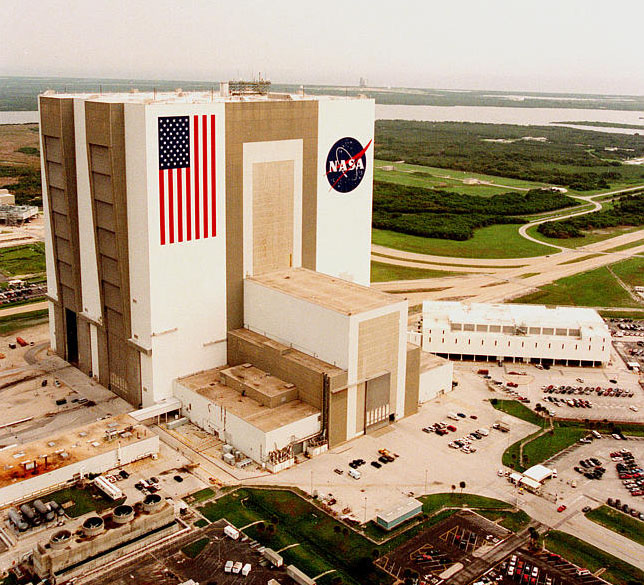
After the commission’s first meeting on September 9, NASA issued Request for Information NASA-USSA-RFI through its Office of Strategic Infrastructure. States were invited to describe possible sites, temporary educational facilities, partnerships, utilities, transportation access and prospective financial support.
The submission deadline, initially set for October 26, was extended to November 16, 2026. NASA reported responses from 25 states. The inquiry was designed to gather information for federal planning; it was not a formal construction award or a final selection of a host state.
For host communities, the prize could extend well beyond the campus gates: professors and students, research collaborations, new housing, transportation improvements, jobs and an enduring relationship with the nation’s space sector. Those are potential benefits, however, not guaranteed outcomes.
The commission must weigh those promises against practical constraints, including campus infrastructure, environmental review, partner commitments, construction readiness and long-term costs.
What might the first class experience?
NASA’s preliminary framework envisions roughly 300 students beginning instruction in fall 2028, possibly at temporary facilities while a permanent campus is developed. A 2031 goal calls for a permanent location capable of accommodating at least 1,200 undergraduates, with longer-term expansion under consideration.
But turning that timetable into a student experience demands more than classrooms. A new academy would need faculty, laboratories, housing, student services, academic accreditation and a carefully defined relationship with future employers.
For the students themselves, the proposed institution raises compelling possibilities: interdisciplinary training across scientific and operational fields, direct engagement with public missions and a shared sense of service. These are plausible aspirations, not announced features of a finalized program.
Accessibility will also be central. Admissions eligibility, citizenship, security requirements, financial support and any required service after graduation could determine who is able to participate. Until those rules are established, families cannot evaluate the academy as an ordinary college option.
The decisions that could make—or break—the plan
The executive order directed the commission to report its recommendations to the president within 120 days, setting a December 26, 2026 deadline. Those recommendations are expected to address governance, academic structure, location, admissions, possible service obligations, costs and needed legal authority.
The planning targets are ambitious: groundbreaking by 2027, initial instruction in 2028 and a permanent campus by 2031. They are goals, not confirmed project achievements. NASA’s request also makes clear that further formal solicitations may be necessary.
The budget is another major unknown. Beyond building a campus, an academy would need sustained funding for its faculty, programs, equipment, housing and operations. Congressional authorization or appropriations may be required before substantial parts of the proposal can proceed.
That leaves a question more fundamental than the address of its future campus: if the government creates a new academy for space, what responsibilities should it ask of its graduates—and what opportunities should it offer them?
The first students have yet to apply. But the choices made in Washington and in competing communities over the coming months could shape what those students study, where they live and how they contribute to the next era of exploration.
The academy at a glance
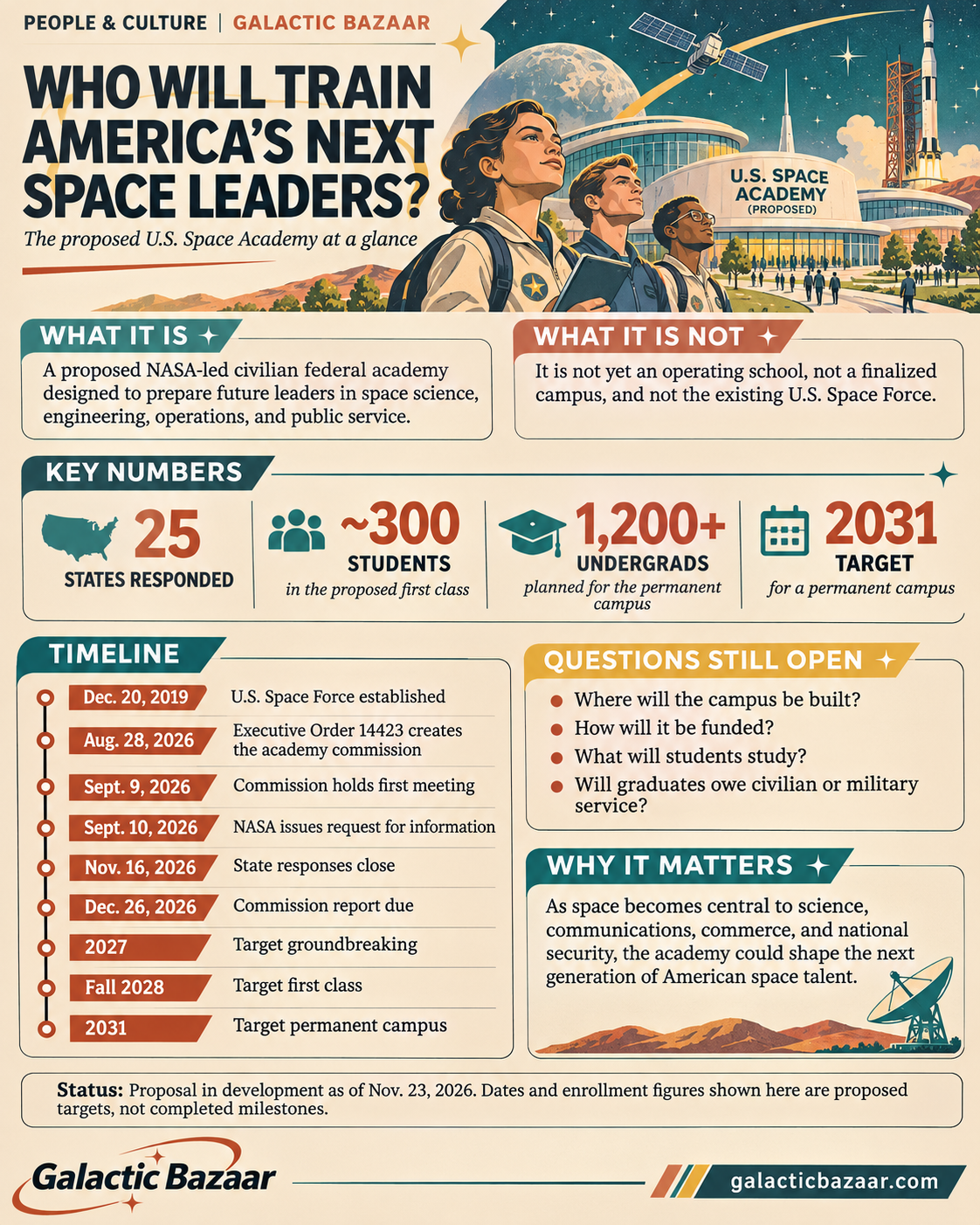
Key dates: confirmed actions and proposed targets
- December 20, 2019: U.S. Space Force established.
- August 28, 2026: Executive Order 14423 establishes the Space Academy commission.
- September 9–10, 2026: Commission first meets; NASA issues its request for information.
- November 16, 2026: Extended deadline for state responses.
- December 26, 2026: Commission report due under the executive order.
- 2027: Target groundbreaking—not a confirmed construction start.
- Fall 2028: Target first class of about 300 students.
- 2031: Target for a permanent campus serving at least 1,200 undergraduates.
Primary sources and further reading
- Executive Order 14423 — Federal Register
- NASA — Executive order announcement, Aug. 28, 2026
- NASA — Planning and state outreach
- NASA-USSA-RFI — Federal procurement notice and updates
- Congressional Research Service — Academy proposal analysis
Reporting note: This article describes the proposal’s status as of November 23, 2026. Illustrative discussion of possible student experiences is not a description of an approved academic program.